Situated on the heights of the Landes de Lanvaux, Peillac, an ancient Gallo-Roman town, has been awarded the “Commune du patrimoine rural de Bretagne” label. With its picturesque lanes, historic heritage and verdant panoramas, the village invites you to stroll, explore and enjoy unspoilt Brittany, where nature and history meet at every turn.
histoire
& patrimoine
To trace Peillac‘s origins, we need to go back to the IIᵉ century. In Gallo-Roman times, the village was already home to a vilae, and a Roman road. Over the centuries, castles and manors dotted the landscape. Burnt down at the end of the XVIᵉ century during the Wars of Religion, Peillac rose from the ashes thanks to the stones and walls of Château de Cranhac. In the village, the seneschal’s house, now a media library, bears witness to the administrative and judicial life of the area: a one-storey dwelling, tower, auditorium and hustle and bustle set the pace for local affairs.

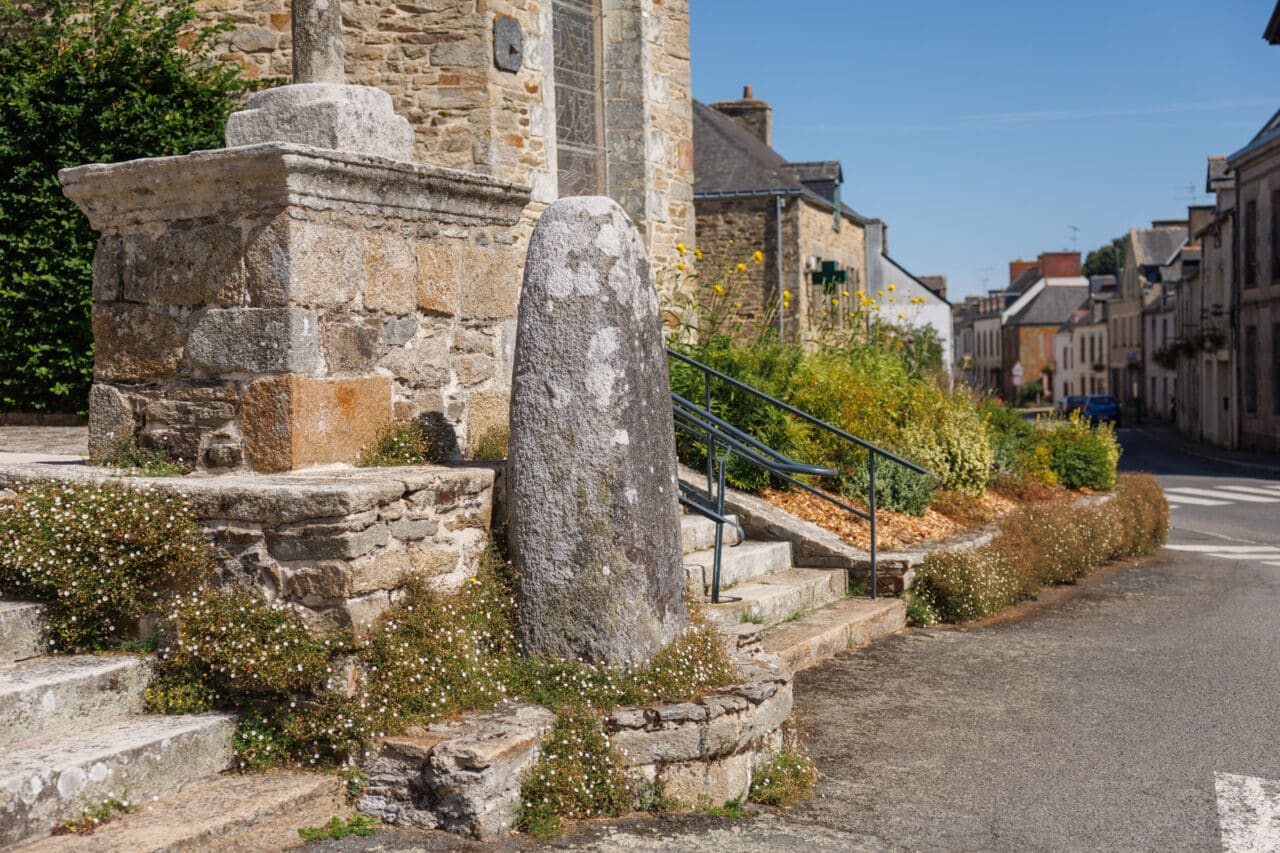
Peillac is dotted with little treasures that tell the story of its history, some of which goes back much further than anyone imagines. The Celtic stelae (photo above) are a striking example, testifying to a human presence dating back to Gallo-Roman times. Each stone seems to whisper of centuries of life and tradition.
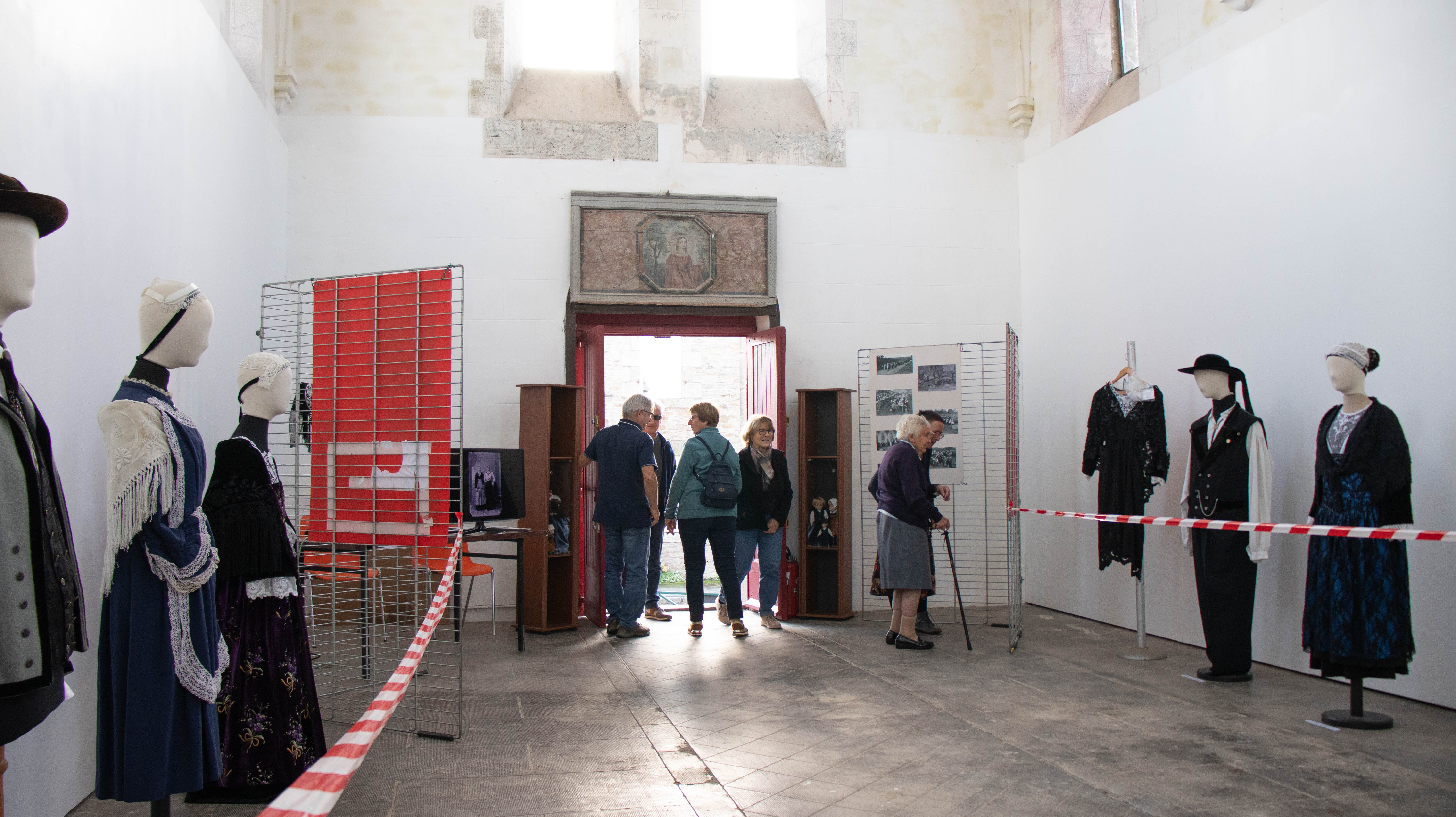
The Congregation chapel is another witness to this living past. Once used as a classroom for girls, it was rebuilt in 1886 and blessed in 1888. Today, far from its original function, it offers a space dedicated to temporary art exhibitions, inviting visitors and residents alike to discover a variety of creations in a setting steeped in history.
Every stele, every wall, every stone tells a story, taking visitors back in time to better understand the life and traditions of this Breton village steeped in history.

bucolic walks
a secret nature
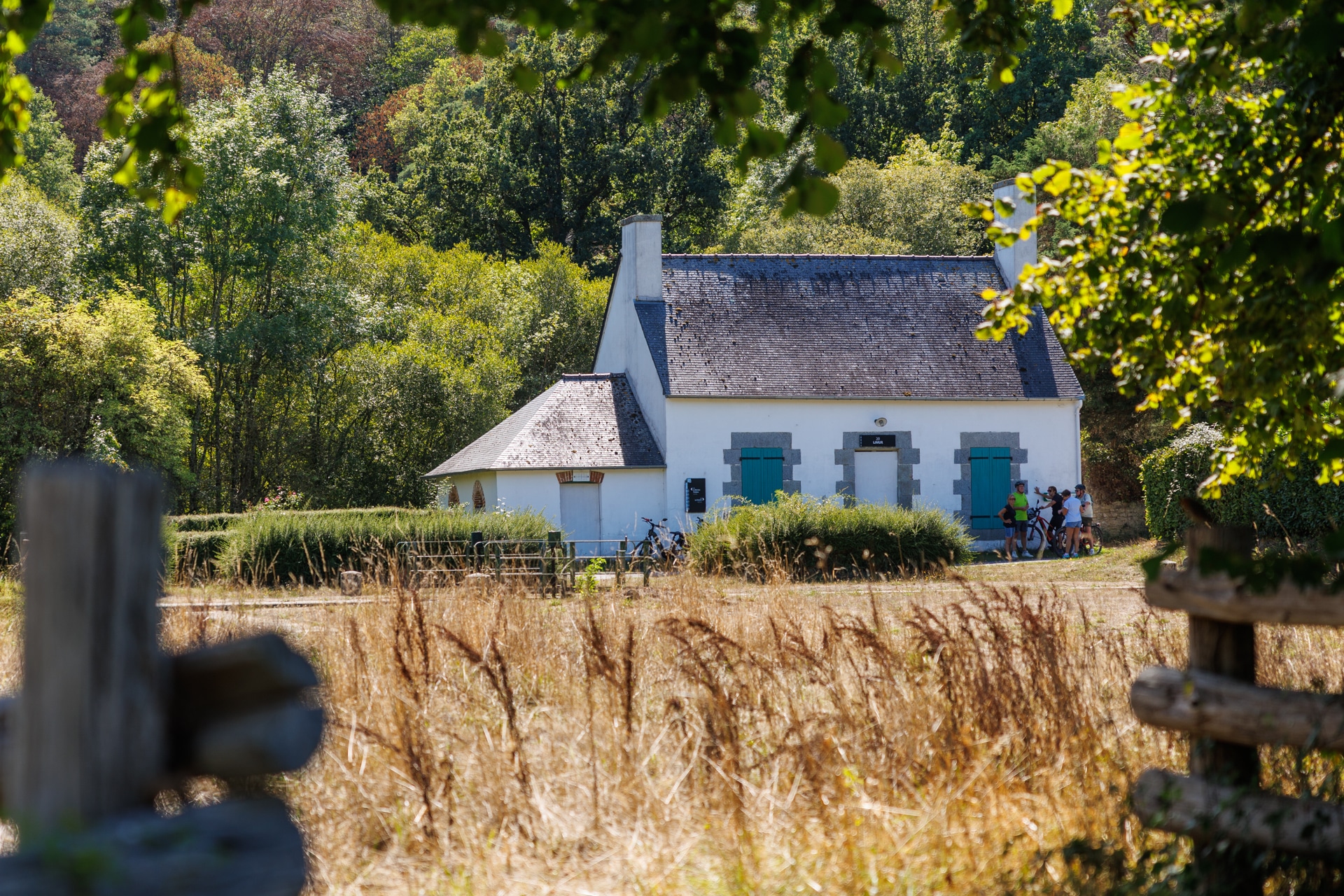
Not far from the village, the Limur lock on the Nantes-Brest canal is a delight for locals and visitors alike. Here, nature creates a veritable tableau vivant. From the lock bridge, it’s easy to understand what these landscapes evoke: a perfect harmony of water, greenery and light.
Further on, the canal continues west to Pont d’Oust and east toIle aux Pies. A nautical stopover and walking area, this site is ideal for a Sunday stroll. Whether you’re walking, cycling or strolling along the water’s edge, the gentle setting invites you to relax and contemplate.
traditions &
local life
When December and January roll around, the Pomme d’Orange brings Peillac to life! Two months of events, meetings and festivities to get out, share and celebrate. With markets, music and surprises, the town goes from winter’s shadow to a new-found light, in a spirit of joy and conviviality.


St. John’s Fire, held every year at the end of June, celebrates the summer solstice and the harvests to come. This traditional festival, of pagan origin, invites us to gather around the fire, share convivial moments and enjoy the long summer evenings.
In October, the whole of Peillac gets into the swing of things with a popular festival, the Autumn Fruit Festival, which each year mobilizes several hundred volunteers from various associations. Fest-noz, concerts, fest-deiz, storytelling strolls, large market… for all to enjoy!

Did you know?
Le Moulin de Guéveneux presents works of art in situ. Take a look!

access & transport
Car – Boat – Bike
By car , 15 minutes from Redon. By boat from the Pont d’Oust boat stop. By bike on the canal towpath.

to see, to do
- Pont d’Oust boat stop
- Limur Lock
- Congregation Chapel
- Celtic stele
- Church
- Seneschal’s house

Idées de visite
- 1 heure sur place : le bourg en suivant le circuit patrimoine
- 1 demie-journée : le bourg, le Pont d’Oust, balade nature à l’écluse de Limur.
PEILLAC EN PRATIQUE
Oui, à la fois dans le bourg et sur le chemin de halage le long du canal de Nantes à Brest.
Vous pouvez venir à vélo grâce au chemin de halage du canal de Nantes à Brest (Vélodyssée). Toutefois, pour monter dans le bourg, il vous faudra franchir une côte partagée avec les automobilistes.
Le printemps et l’été sont idéaux pour profiter des balades au bord de l’eau.