Located in the heart of the Landes de Cojoux, the Saint-Just megalithic site is a unique place where nature and heritage meet. Whether you’re a family, couple or solo, marvel at this moorland landscape dotted with historical treasures dating back thousands of years.
A history etched in stone
The alignments of menhirs, dolmens and mounds on the Saint-Just megalithic site bear witness to the cultural and spiritual wealth of Neolithic civilizations.
Between 5000 and 2000 BC, the first inhabitants discovered agriculture and animal husbandry. They settled in areas where rock outcrops were found and erected massive blocks of stone, known as megaliths, to honor the gods of heaven and earth as sources of shelter and food. Situated on a natural east-west ridge, this place of worship was particularly popular during the solstices, attracting people from far and wide.


The megaliths were built using local rocks known as the Pont-Réan formations, which range from red to dark purple. These fine-grained shales and sandstones, deposited around 470 million years ago, can be seen on the eastern shore of Etang du Val. A coarse-grained poudingue, known as the “Montfort poudingue”, can also be found around the Cojoux mill and at the Tréal rocks, used for the construction of certain covered walkways.
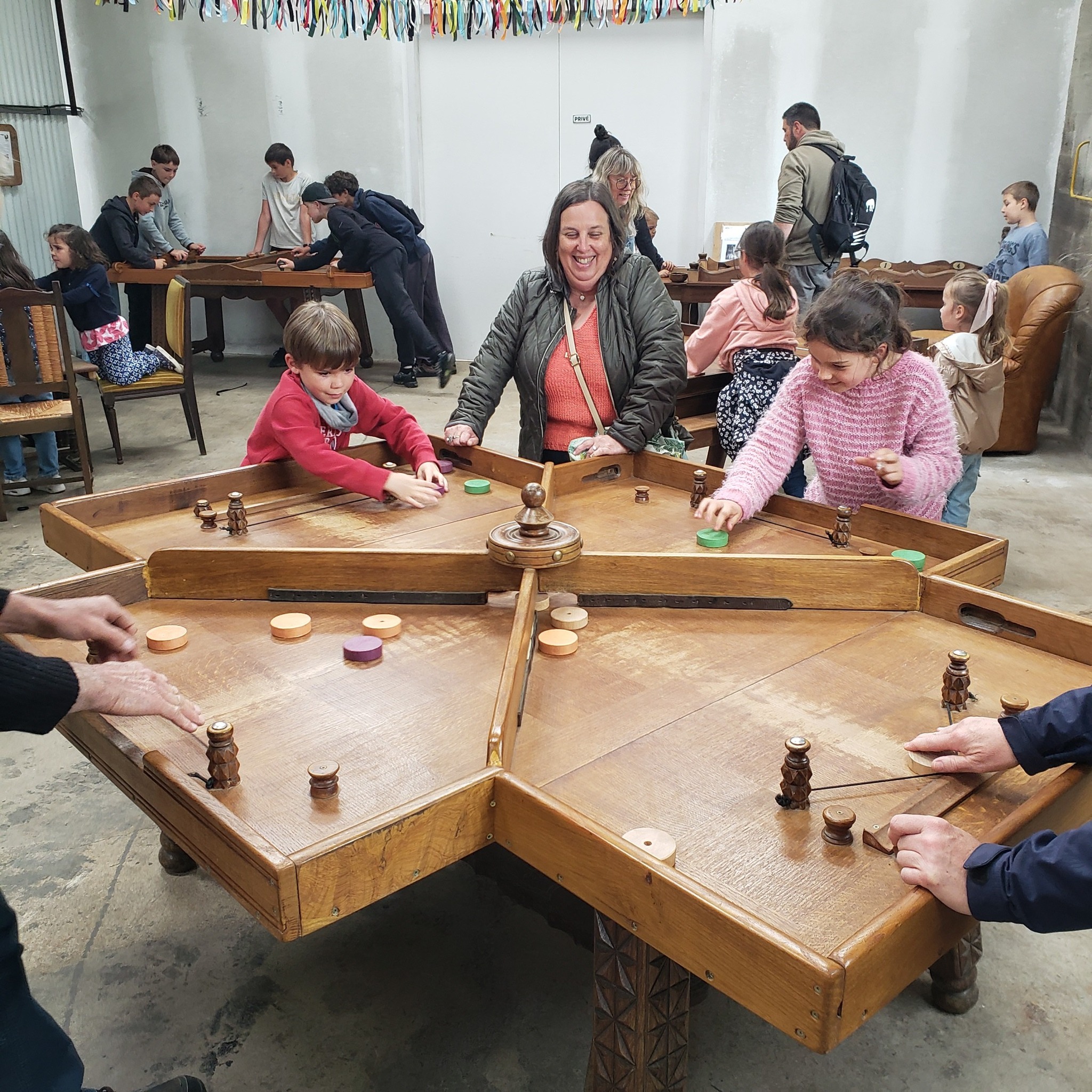
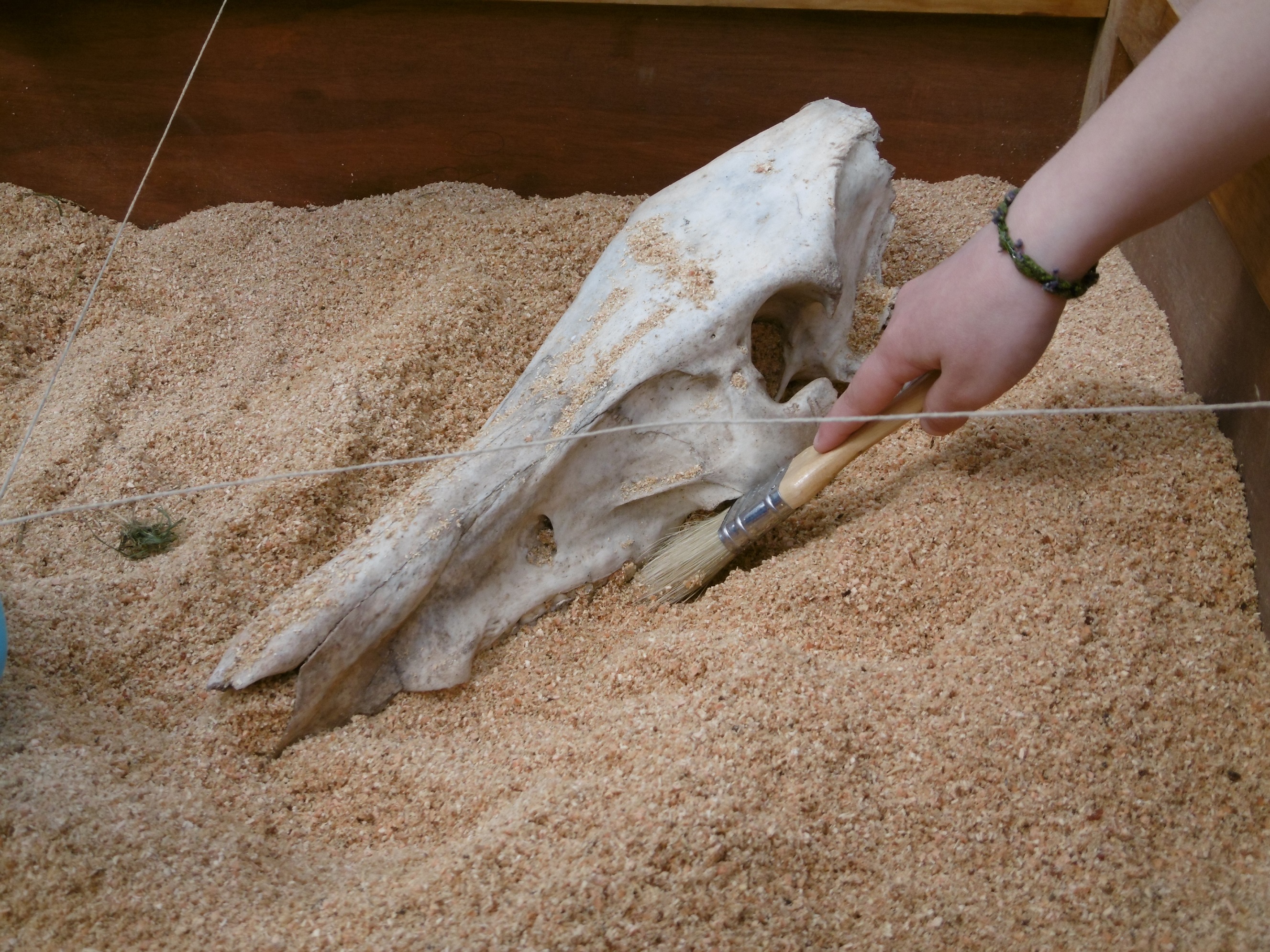
At the Maison Mégalithes et LandesMaison Mégalithes et Landes, located in the heart of the village of Saint-Just, you can discover the fascinating history of these megaliths. This museographic space will tell you how these stones were discovered and what they mean.
To complete your visit, discover the Dolmen de Tréallocated in the woods a few kilometers from the Cojoux moors.

a parenthesis
nature
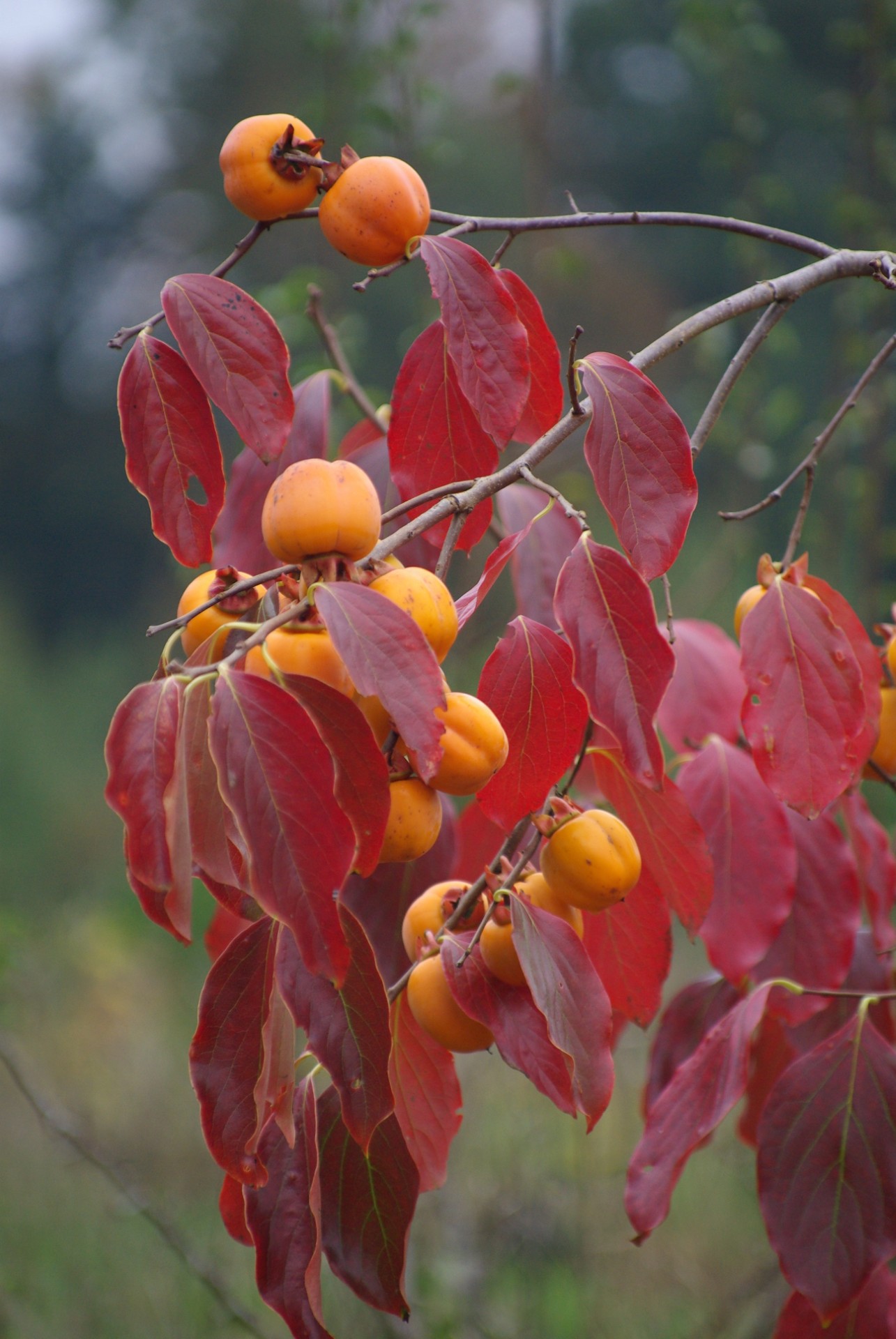
The Landes de Cojoux de Saint-Just is a haven of peace and silence. Here, nature envelops you with its colors and scents: gorse, heather. On foot, by bike or on horseback, explore the many paths that criss-cross the site. Each season reveals its own unique scenery, in the sunshine of summer, the golden hues of autumn or the freshness of spring.
End your walk with a detour to the Etang du Val, where the spectacular panorama punctuates this immersion in the past.
Shaped by centuries of agricultural practices, the landscape reveals a mosaic of environments combining meadows, crops, moors and rocky outcrops.
On these shallow soils, nature organizes itself: gorse, heather and callunes cover the moors, while broom, birch and conifers dot the landscape. In the past, these areas were used for animal bedding, and buckwheat found an ideal breeding ground.
Today, this tradition lives on in the annual sowing of buckwheat, a living testimony to local agricultural history.

traditions
& local life
Every year, the CPIE Val de Vilaine, based in Saint-Just, organizes guided tours and events linked to prehistory. Exciting, historic events that appeal to everyone. From April to October, the Maison Mégalithes et Landes opens its doors to the public. Educational and interactive, the tour takes visitors on a journey back into prehistory.

Did you know?
A discovery trail leads from the Maison Mégalithes et Landes, in the heart of Saint-Just, to explore the site on foot. Three loops are proposed, depending on the time available, with facilities that highlight the historical and natural heritage. To extend the experience, the Maison Mégalithes et Landes offers a museum tour, accompanied by a fun booklet for families to make the discovery even more interactive.
exploring the megalithic site of saint-just


access & transport
Car – On foot
By car on the D177, on foot along the GR39, by bike on loop N°6

to see, to do
- La Croix Madame
- The mill alignments
- Small pitted rocks
- Les Demoiselles de Cojoux
- Château-Bû (Historic Monument)
- The Saint-Pierre cross
- The entire Tribunal
- Le Four sarrazin
- Tréal’s covered walkway
- La Maison Mégalithes et Landes